Harvard Alumni Summit Explores AI’s Role in Shaping Brazil’s Future Across Sectors
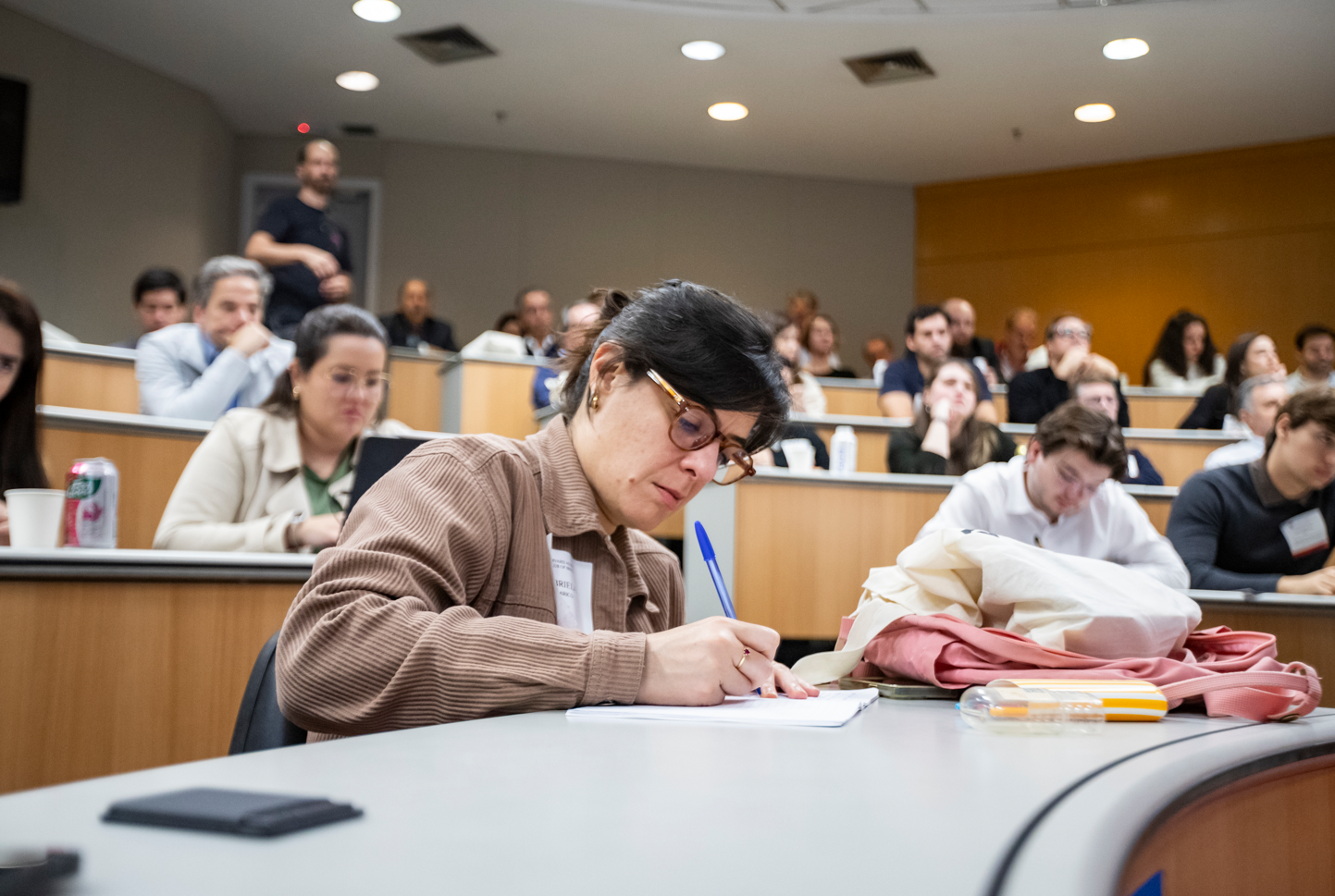
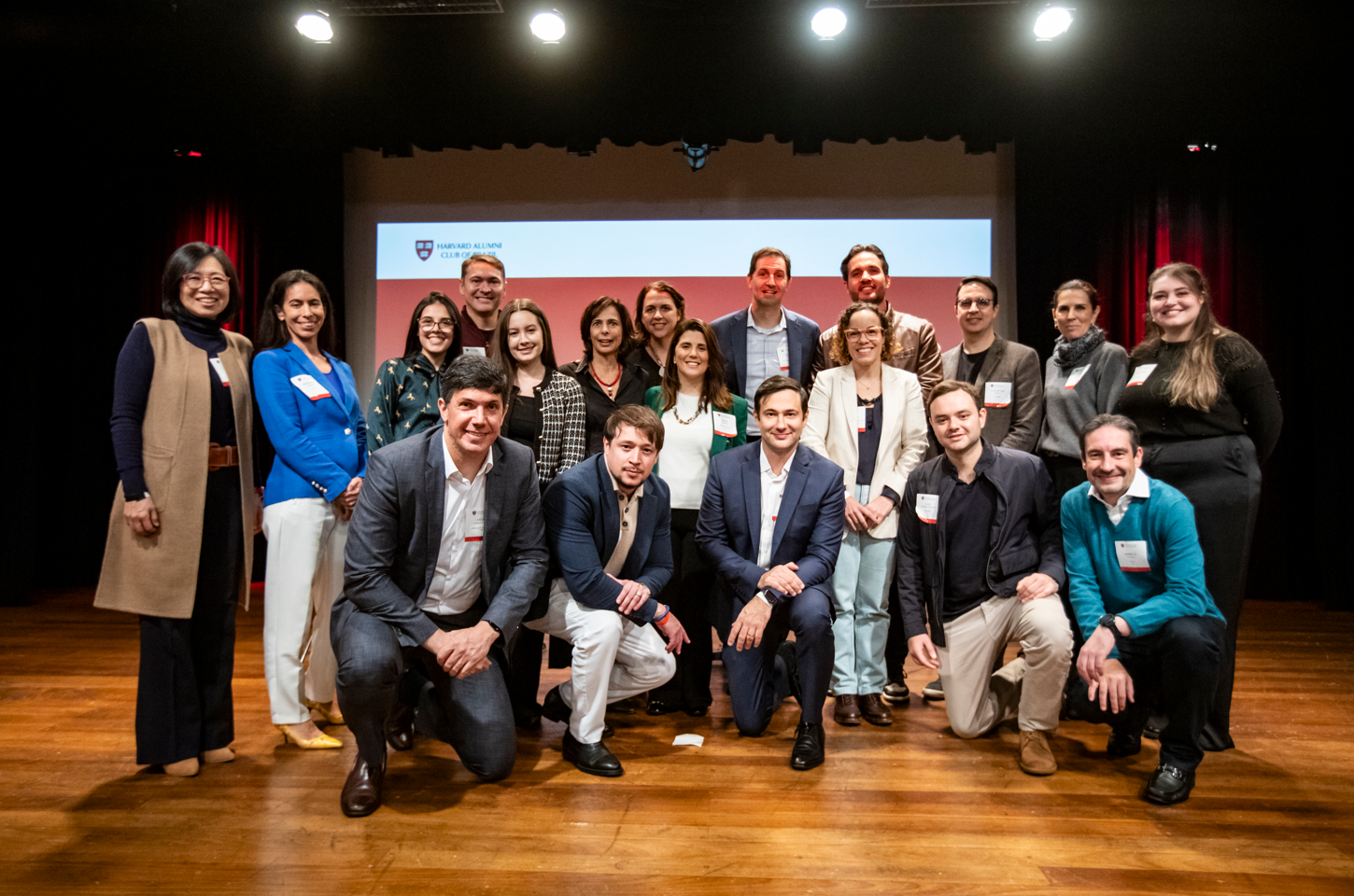
Harvard alumni and industry leaders gathered in São Paulo for a one-day summit to explore how artificial intelligence is reshaping finance, healthcare, education, the environment, ethics, and creative industries in Brazil. The event brought together speakers from across academia, government, and the private sector to reflect on both the opportunities and challenges of integrating AI into critical areas of society.
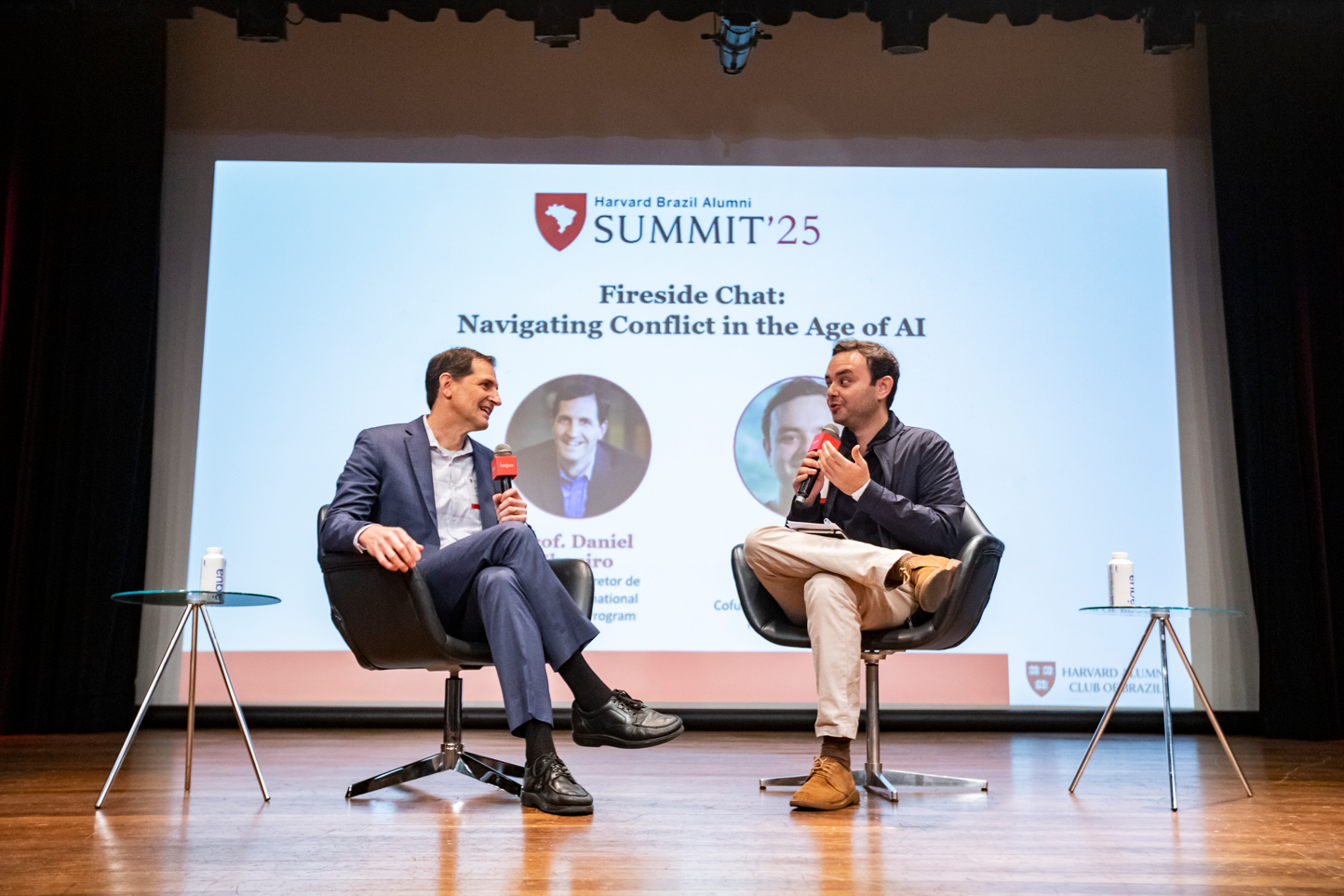
The day began with a session titled “Negotiating in the Age of AI”, led by Harvard Professor Daniel Shapiro and moderated by Luis Alberto Nogueira, CEO of Segura AI. Shapiro, known for his research in negotiation and conflict resolution, offered insights into how AI affects human interactions. He stressed the importance of addressing core human concerns like appreciation, autonomy, and affiliation when negotiating in increasingly automated environments, to establishing trust, even in technology-driven environments.
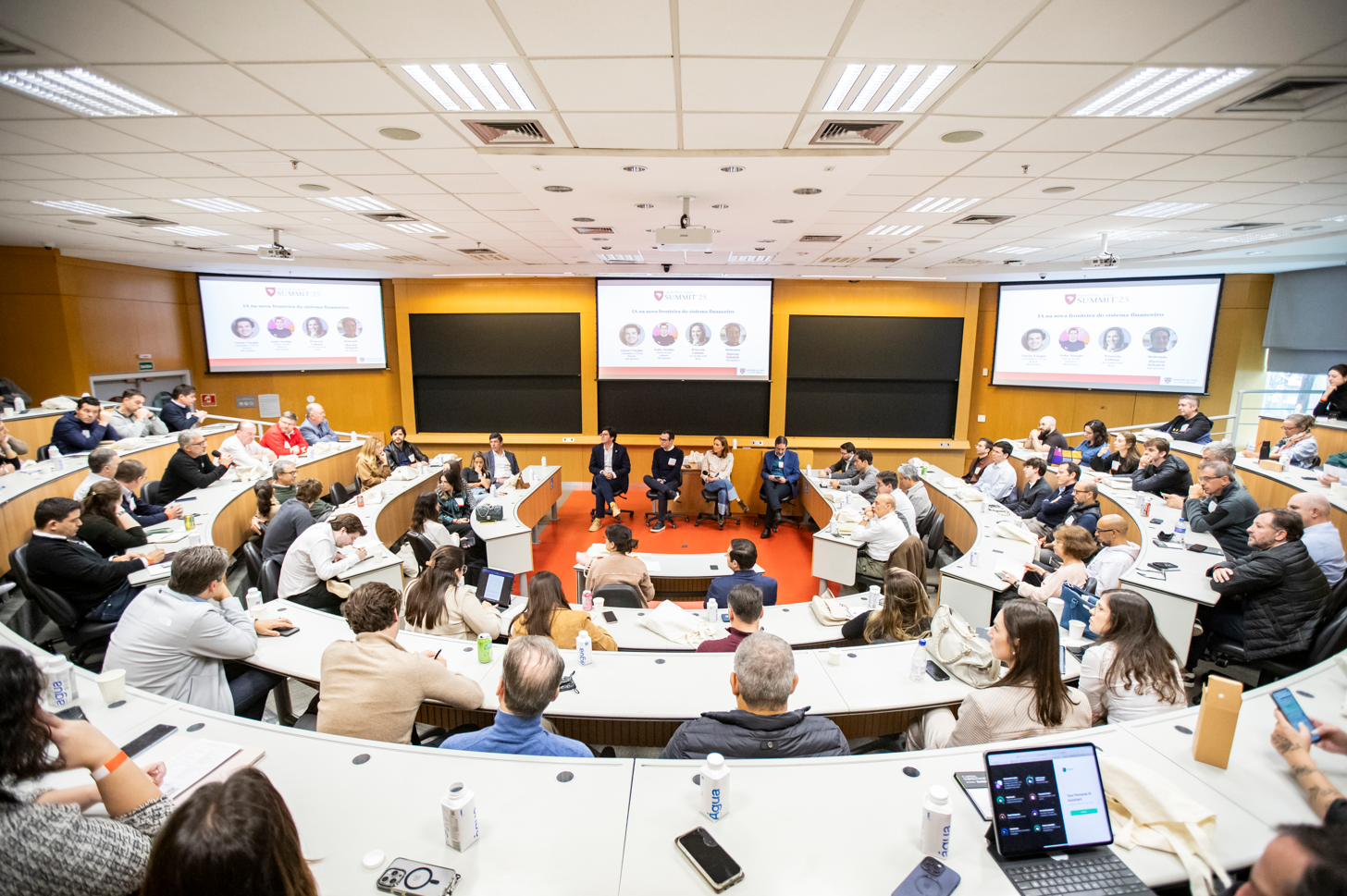
After a short coffee break and a networking lunch, participants split into a series of parallel panels:
AI in the Financial System: João Araújo (Director of Itaú Unibanco), Lucas Vargas (CEO, Nomad; HBS Alumni), and Priscyla Laham (CEO, Microsoft Brasil), moderated by Marcus Schalch (HKS Alumni), discussed how AI is transforming finance through automation, data analysis, and personalization. The panel agreed that the technology will not eliminate jobs, but will change the nature of work—especially for those unprepared to adapt.
Healthcare and AI: Daniella Castro (Co-founder, Huna AI; PhD, UFMG Lab), Cláudio Lottenberg (President of the Board of the Albert Einstein Brazilian Israelite Charitable Society) and Mona Oliveira (Founder, Biolinker), moderated by Raquel Moisés (Curar Saúde; HSPH Alumni), explored how AI can enhance diagnostics and treatment options. They also raised concerns about data privacy, unequal access to technology, and the risks of misuse of sensitive health information.
Ethics and Innovation: Lilian Cintra (Secretary, Ministry of Justice), Yasodara Córdova (Engineer and Data Privacy Specialist), and André Menezes (Senior Program Manager, Netflix), with moderation by Veronica Deviá (Technology Commission, Public Relations), focused on public trust, regulatory frameworks, and the urgency of media literacy in an age of misinformation and data misuse.
Education and Labor: Felipe Morgado (Superintendent, SENAI National Department), Anderson Soares (Professor and Director, CEIA-UFG), and Renan Ferreirinha (Secretary of Education, Municipality of Rio de Janeiro), moderated by Ya Jen Chang (Instituto Sidarta; HGSE Alumni), discussed how AI is reshaping the workforce. They emphasized the need for transformation in Brazil’s education system to better develop critical thinking and digital literacy.
Entrepreneurship and Investment: Glauber Mota (CEO, Revolut Brasil), Mariana Moreno (Founder of Bits) and Eladio Isoppo (Co-founder & CEO, PayFace), moderated by Thais Gasparian (Partner, Mattos Filho), shared insights into how startups are leveraging AI to grow their businesses. The session also examined how investors are shaping the direction and scale of AI innovation in the region.
AI and the Environment: Rogerio Cavalcante (Founder, umgrauemeio), Tasso Azevedo (Coordinator, Mapbiomas), and Pedro Hartung (Alana Foundation), moderated by Gabriela Seiler (HKS Alumni), explored AI’s role in environmental monitoring and climate action. They also discussed the high energy demands of AI systems and the importance of aligning innovation with sustainability goals.
Finally, the summit closed with a roundtable on creativity in the AI era, featuring actor and entrepreneur Antonio Tabet, music producer Felipe Vassão, Monashees’ CEO Eric Acher and Grammy-nominated artist Analu Sampaio. The panel explored how generative AI tools are transforming artistic processes, with participants agreeing that while AI can enhance creativity, it cannot replace human emotion and intent.
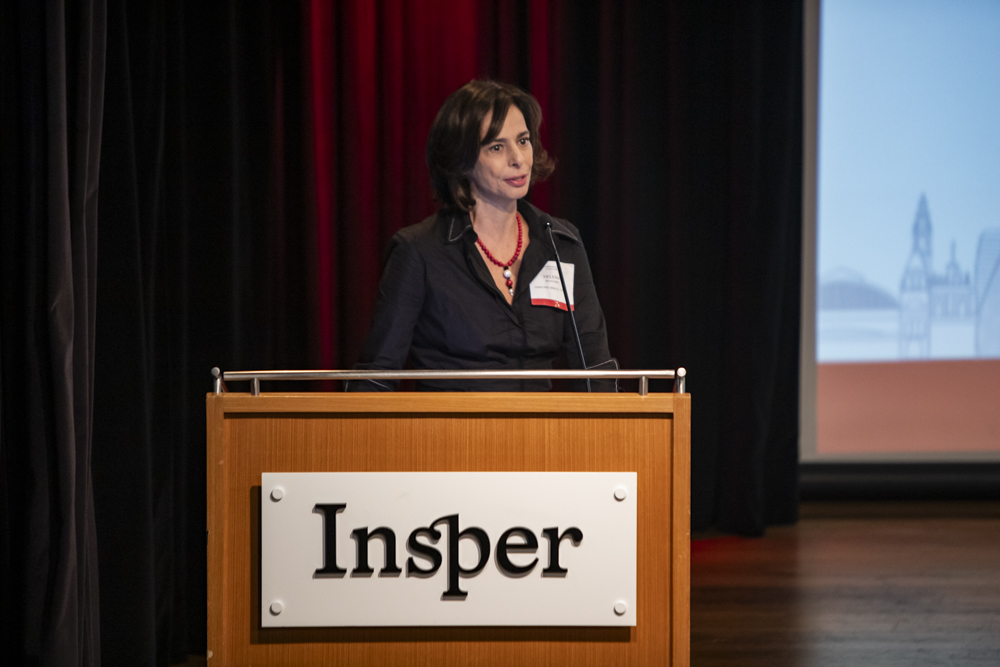
Organized with support from Insper, the event created space for dialogue, collaboration, and reflection on the shared responsibility to shape a fair and inclusive technological future.